
Radon Bay Area Mitigation: The Hidden Dangers and What to Do Next
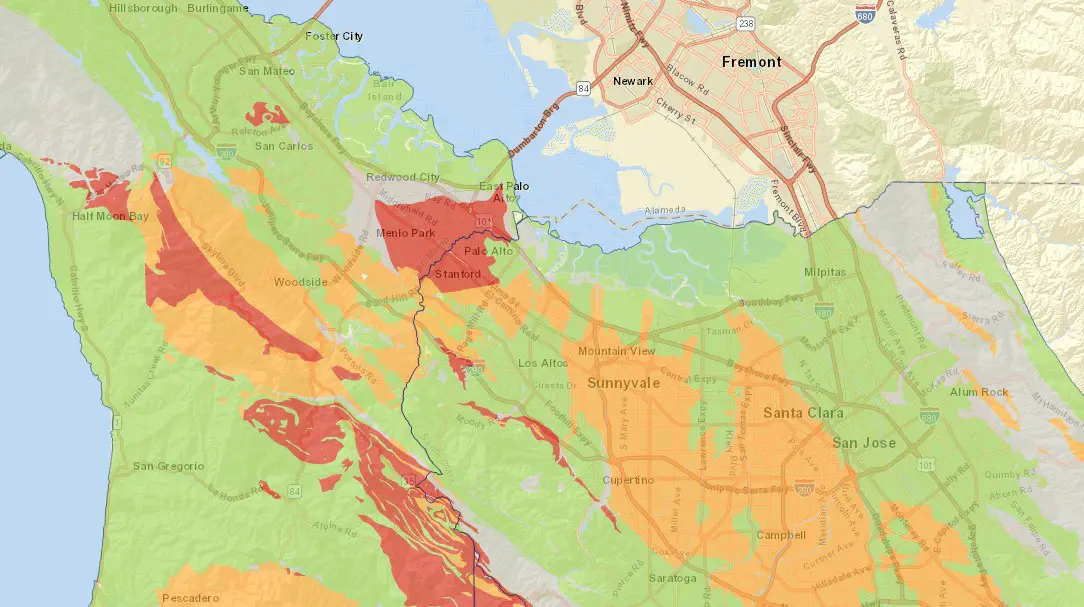 Radon Bay Area California Map of Potential Indoor Air Quality Provided California Department of Conservation[/caption]
Radon is a colorless, odorless, and tasteless radioactive gas that comes from the natural breakdown of uranium and other radioactive elements in soil, rock, and groundwater. As uranium decays, it produces radon gas, which can move through the ground (especially sandy soil) and enter buildings through cracks, gaps around pipes and openings in foundations. Areas with more uranium-containing rocks like granite and shale tend to have higher radon levels.
Once inside the home, radon decays into radioactive particles that can damage lung tissue over time. It is the leading cause of lung cancer in non-smokers and the second leading cause overall after smoking. The EPA estimates radon is responsible for approximately 21,000 lung cancer deaths per year in the United States, including about 2,900 among never-smokers.
This is why many local residents are now searching for radon mitigation Menlo Park, radon mitigation Palo Alto, and radon mitigation San Carlos. It has become one of Sigura Construction’s most popular service requests with clients in Menlo Park and other hot spots.
Very High Radon Levels in Menlo Park, Palo Alto & San Carlos!
Local geology creates elevated radon potential in several Peninsula communities. Here’s what the data shows:
- Menlo Park: Many tests show 20–30%+ of homes exceeding the EPA action level of 4.0 pCi/L, with average readings around 5.0 pCi/L. This drives strong demand for radon mitigation Menlo Park.
- Palo Alto: Average readings are approximately 6.5 pCi/L — well above the EPA guideline. This has led to increased interest in radon mitigation Palo Alto.
- San Carlos: Data indicates 12–23% of homes have tested above 4.0 pCi/L in various neighborhoods, prompting more homeowners to look for radon mitigation San Carlos.
- Nearby areas (East Palo Alto, Belmont, Stanford): Similar risks exist due to shared geology.
Important reminder: Radon levels can vary dramatically even between neighboring homes. The only way to know your risk is to get your home tested.
The Best Testing Equipment Available
Two Main Types of Testing Devices:
Radon testing devices fall into two main categories: passive detectors and active electronic monitors. They both measure radon gas, but they work in very different ways and serve different purposes.
Passive Radon Detectors:
Passive devices are long-term integration tools. They don’t show real-time data. Instead, they sit in your home for weeks or months, collecting traces of radon decay, and are then analyzed in a lab. The most common type is the alpha-track detector, which uses a plastic film that records microscopic damage tracks caused by alpha particles. Because they average exposure over a long period, they are considered the best option for estimating your true annual radon level.
Best Passive (Alpha-Track) Radon Detectors:
- Radonova Radtrak³ Long-Term Radon Test Kit
Typically ~$50–$70. One of the most widely used professional-grade alpha-track detectors. Designed for 90–365 day testing periods and processed in a certified lab. Known for strong consistency and reliability. - AccuStar Alpha Track Radon Test Kit
Typically ~$35–$50. EPA-recognized long-term test commonly used in home inspections and real estate transactions. Requires a minimum 90-day exposure and provides a solid annual-average estimate. - Festa Radon Technologies Radtrak 3 Kit
Typically ~$40–$60. Uses Radonova’s Radtrak³ alpha-track technology. Popular among contractors and radon professionals for long-term residential testing.
Active Radon Detectors:
Active electronic monitors are the opposite approach. They measure radon continuously using ionization chambers or semiconductor sensors and give real-time or near-real-time readings. Instead of a single long-term number, you can see hourly, daily, and seasonal fluctuations.
Best active (electronic) radon monitors:
- SAF Aranet Radon Plus
Typically ~$250–$400. A high-end continuous radon monitor using an ionization chamber. Provides fast initial readings and shows rolling averages (24h, 7d, long-term) through its app. Known for strong sensitivity and stability. - Airthings Corentium Home
Typically ~$130–$180. One of the most popular standalone radon monitors. Battery-powered, simple interface, and reliable rolling average readings without needing Wi-Fi or an app. - Airthings View Radon
Typically ~$180–$250. Wi-Fi-enabled monitor with app-based tracking and historical graphs. Useful if you want long-term digital records and integration with otherion.
DIY vs Professional Testing:
While you can buy DIY radon test kits and detectors, professional radon testing is strongly recommended for the most reliable results. Certified professionals use calibrated equipment, follow strict protocols, and provide detailed reports with actionable recommendations.
What to Do Next: Get Professional Radon Bay Area Mitigation
If your radon test results come back elevated, effective and proven solutions are available. The most successful approach for most Bay Area homes is active sub-slab depressurization (ASD), which can reliably reduce radon levels by 80–99% in the majority of installations, often bringing them well below the EPA action level of 4.0 pCi/L.
Our Recent Radon Mitigation Project in Menlo Park
View this post on Instagram
Why Choose Us for Radon Bay Area Mitigation
We are experienced radon mitigation specialists serving the Peninsula and South Bay. We understand local geology, home construction styles, and the specific challenges of homes in Menlo Park, Palo Alto, San Carlos, and surrounding communities.
Understanding Radon Mitigation Systems
There are several types of radon mitigation systems, but not all are equally effective for every home:
- Active Sub-Slab Depressurization (ASD/SSD): The most popular and effective method for slab-on-grade and basement foundations. It creates a controlled negative pressure field beneath the concrete slab using suction points and a powerful fan. This draws radon gas from the soil before it can enter the living space and safely vents it outdoors.
- Drain Tile / Sump Hole Depressurization: Used when homes have existing perimeter drain systems or sump pits.
- Sub-Membrane Depressurization: Ideal for crawl space foundations.
- Passive Systems: Rely on natural pressure differences without a fan (less effective and not recommended as a standalone solution in high-radon areas).
We primarily design and install active sub-slab depressurization systems because they deliver the strongest, most consistent results for Bay Area homes.
Our Professional Radon Mitigation Process
Our systems are built with high-quality components and careful attention to performance and aesthetics:
- Accurate Diagnosis — Certified short-term and long-term radon testing combined with diagnostic pressure field testing to determine optimal suction point locations.
- Custom System Design — We evaluate your foundation type, soil permeability, and home layout to engineer the right solution.
- Expert Installation — We core through the slab, create a suction pit in the aggregate below, and install Schedule 40 PVC piping. A high-efficiency, quiet radon fan (typically an inline centrifugal fan) provides continuous negative pressure. We specialize in exterior or concealed fan placements with creative hiding techniques, as demonstrated in our Menlo Park project.
- Sealing & Safe Venting — Major entry points are sealed and the radon-laden air is vented well above the roofline or away from windows and doors to prevent re-entry.
- Post-Mitigation Verification — We always perform follow-up testing to confirm dramatic radon reduction and provide a system monitoring plan.
Our fans are selected for reliability, low energy consumption, and quiet operation. Systems are designed to run continuously with minimal maintenance while maintaining excellent aesthetics.
Ready to Protect Your Family?
Radon Bay Area mitigation is a proven, long-term investment in your home’s indoor air quality and your family’s health. If you’re looking for expert radon mitigation Menlo Park, radon mitigation Palo Alto, radon mitigation San Carlos, or professional service anywhere in the Bay Area, contact us today. Call 408-492-1379 now to schedule professional radon testing or a full mitigation consultation. Our team will provide clear, honest guidance and deliver the same high-quality results shown in our recent Menlo Park project.